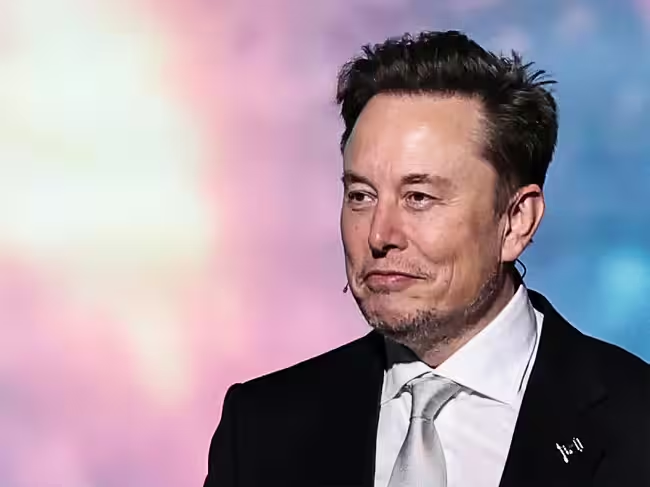
Tesla and SpaceX CEO Elon Musk stated that artificial intelligence has the potential to double U.S. economic growth over the coming year, raising the rate from approximately 2% to 4%.
“I estimate that next year, AI will roughly double the U.S. GDP growth rate from around 2% to about 4%, or perhaps even higher,” Musk said in an interview.
According to a recent report by brokerage firm Dolat Capital, this forecast comes as AI investment faces its first major macroeconomic test.
The brokerage stated that the current AI investment cycle differs from past technology cycles because major hyperscale data center operators have shifted from asset-light business models focused on shareholder returns to large-scale capital expenditure.
These companies are increasingly funding their AI investments through a combination of internal cash flow, debt, and equity.
The report notes: “Consequently, the AI capital expenditure cycle is facing its first significant macroeconomic test; the more hawkish stance of central banks has raised the financing hurdle for an investment cycle that already requires substantial capital.”
The brokerage stated that the biggest unresolved challenge in the AI investment cycle remains the profitability model.
Falling token costs, improved model efficiency, rapid technological evolution, and the limited window for AI models to generate profit have all raised questions about whether revenue growth can keep pace with massive investments.
“The key risk lies not in the demand for AI, but in whether incremental investments can consistently generate sufficient returns to sustain the current pace of spending,” the brokerage noted. Dolat Capital
also highlighted recent calls by leaders of some AI companies to slow the pace of frontier model development. The brokerage suggested that such a move could extend the payback period for AI investments, even as infrastructure spending remains high.
The brokerage believes the outlook for the AI investment cycle will increasingly depend on the yield of the U.S. 10-year Treasury note, Federal Reserve policy communications, and the duration of the rate-hiking cycle.
The report also highlighted supply-demand challenges facing the U.S. Treasury market, noting that $8 trillion in government debt currently requires refinancing.
It added that the recent rise in bond yields appears to be driven significantly by real interest rates, suggesting that upward pressure on long-term borrowing costs may persist.
For global equity markets, the brokerage stated…